
Kogane is a high-quality sushi omakase restaurant located in Alhambra. This restaurant is perfect whether you’re looking for amazing sushi or celebrating an occasion. It is highly recommended to make a reservation on Tock in advance to ensure the best experience.
Upon entering the restaurant, the staff makes every effort to give you a welcoming experience. I absolutely loved how they went the extra mile with a Happy Birthday card! On top of that, the staff would ask for your name and address you by your name. Okay, this is amazing hospitality, because I haven’t been to a restaurant where they’d go out of their way to remember my name.
Kogane is headed by both Chef Roe and Chef Heri. Chef Roe was serving us this evening, and he is great to talk to. He described each of the served pieces in detail.
The Omakase at Kogane
The Omakase experience at Kogane is available only at the sushi bar. If you choose to sit at the table, you’ll be presented with a different menu. The menu rotates daily, depending on what’s fresh from the seafood market. The taste is night and day between a standard sushi restaurant’s fish and Kogane’s.
Every bite consists of individually cut and seasoned fish and rice. The presentation is absolutely phenomenal; the chef knows their knife work. Not only do the slices look great, but they also hold the sauce better. No added wasabi or soy sauce needed. It’s all done for you during the assembly.
Definitely order a glass of sake, or share a bottle with your party!
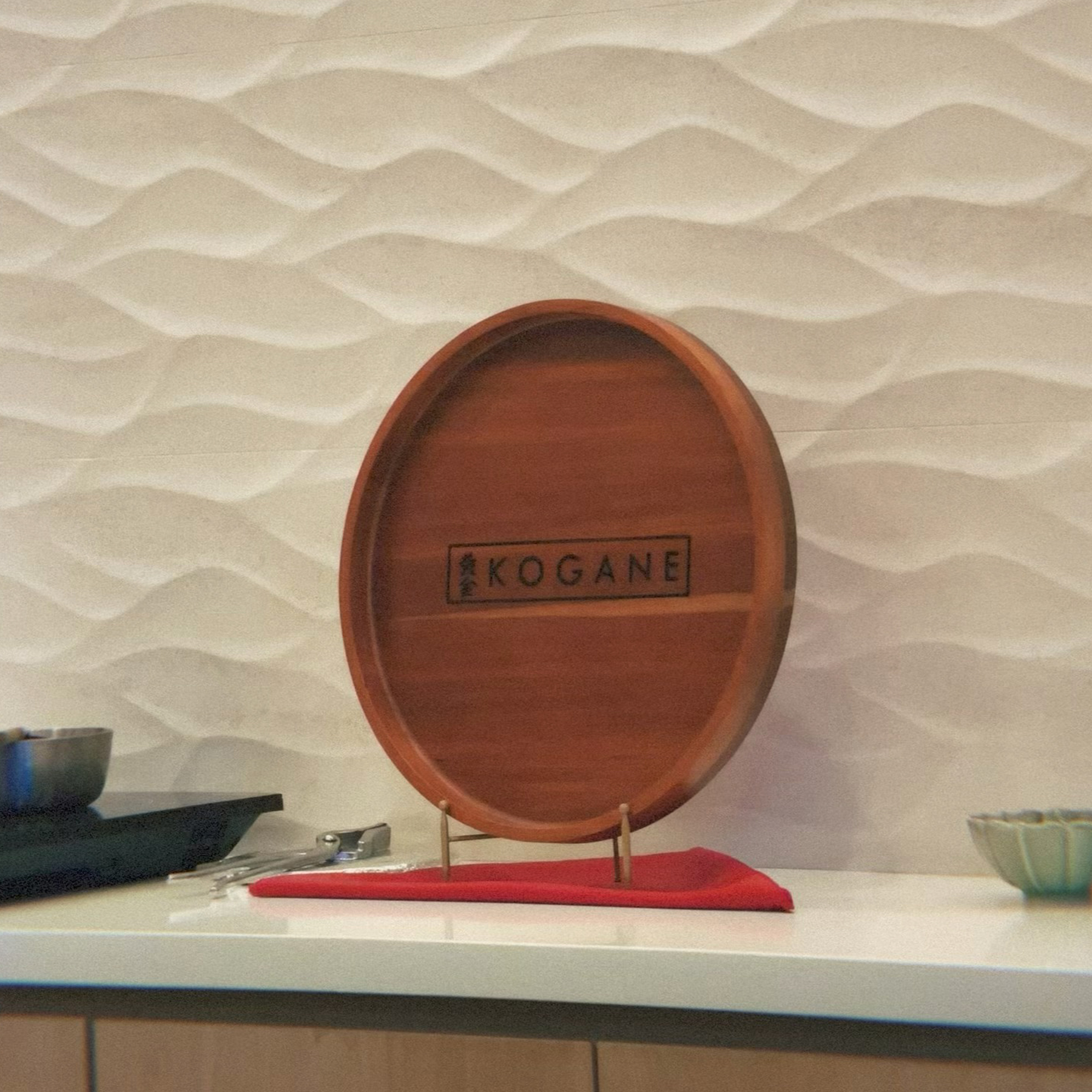
The Menu
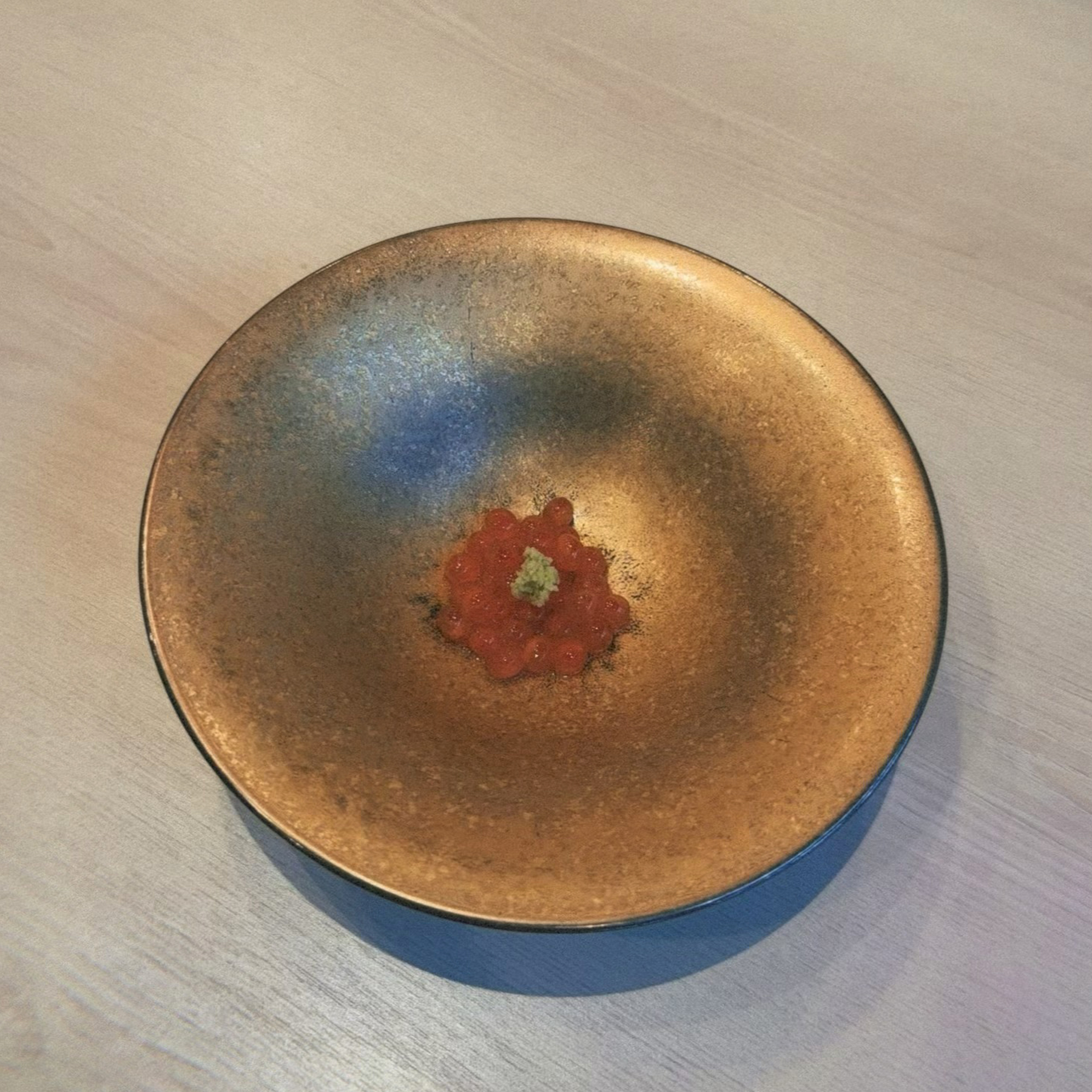
Dashi Ikura was the first dish served. This consisted of marinated ikura with a dab of wasabi. Give it a good mix, and you’ll have a burst of savory goodness in each bite.
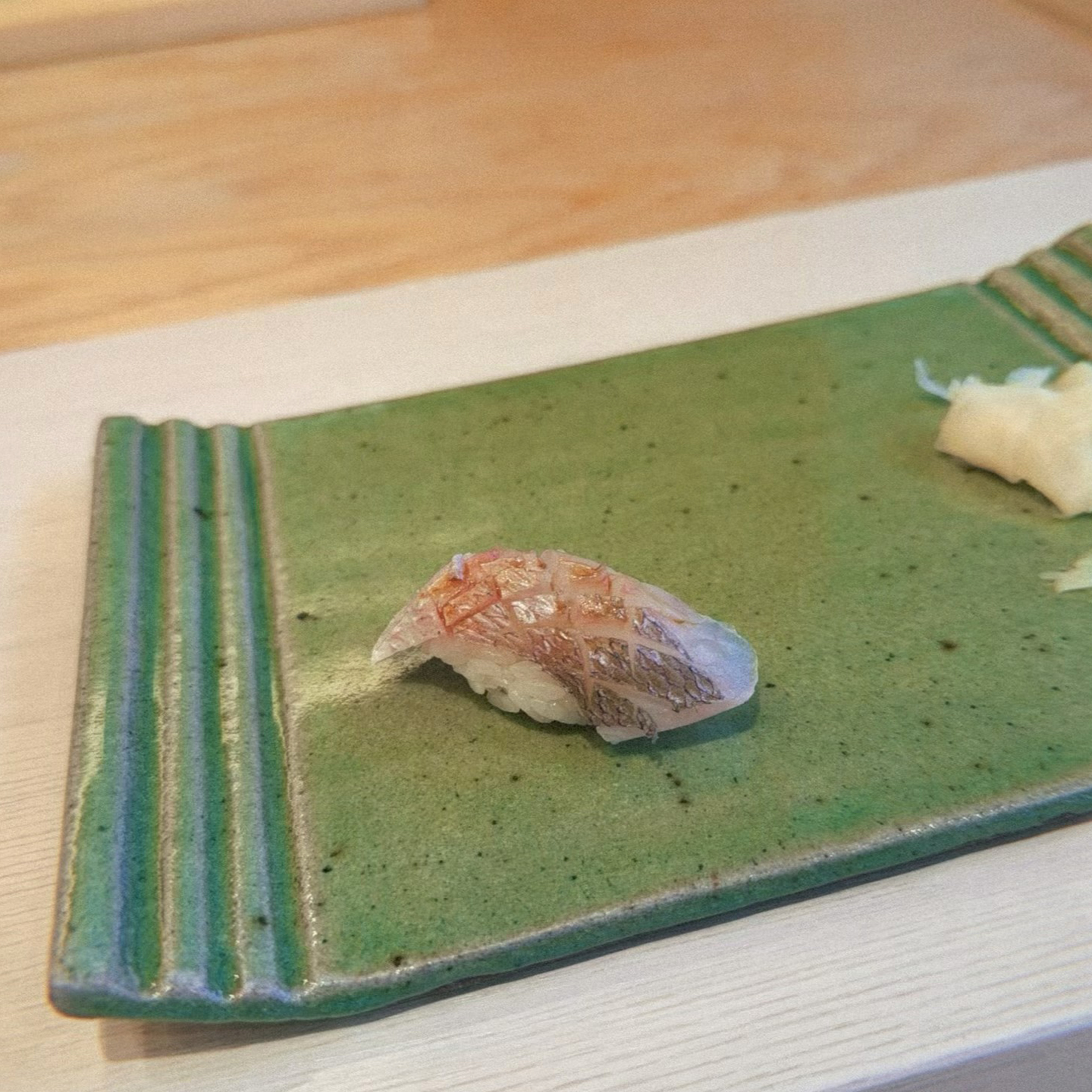
Kasugodai, known as young sea bream, was next on the course. This fish is on the sweeter side, especially since it has not reached maturity yet. The presentation with the skin is so pretty!
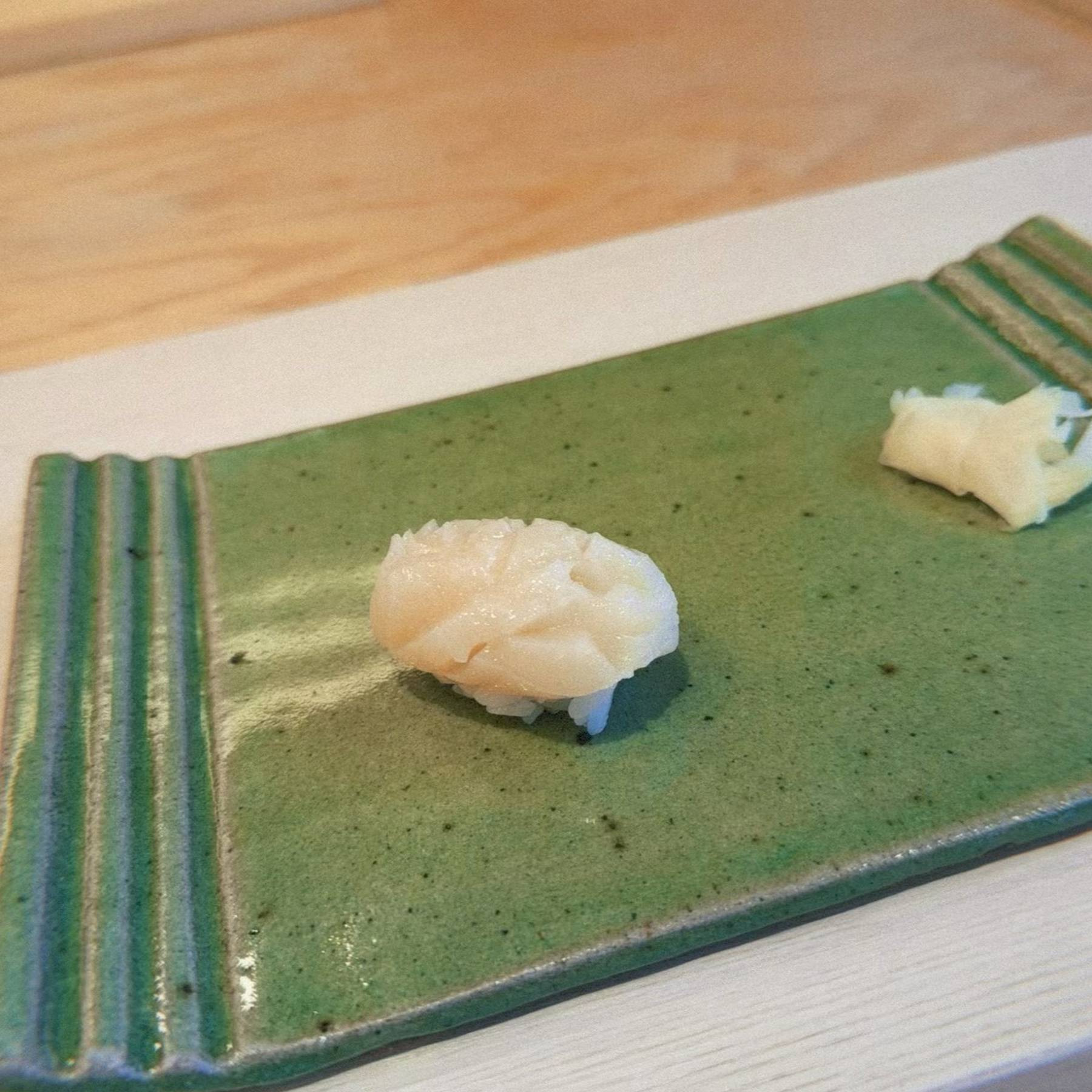
Hotate was up next, being the large scallop. You can never go wrong with scallops, and there are so many ways to serve them. All you need is a dollop of sea salt, and you can enjoy that scallop as a nigiri.
Sweet Shrimp is one of my favorites. This wasn’t on the menu for the evening, so it felt a bit special to see it pop up as a nigiri option! Absolutely loved it.
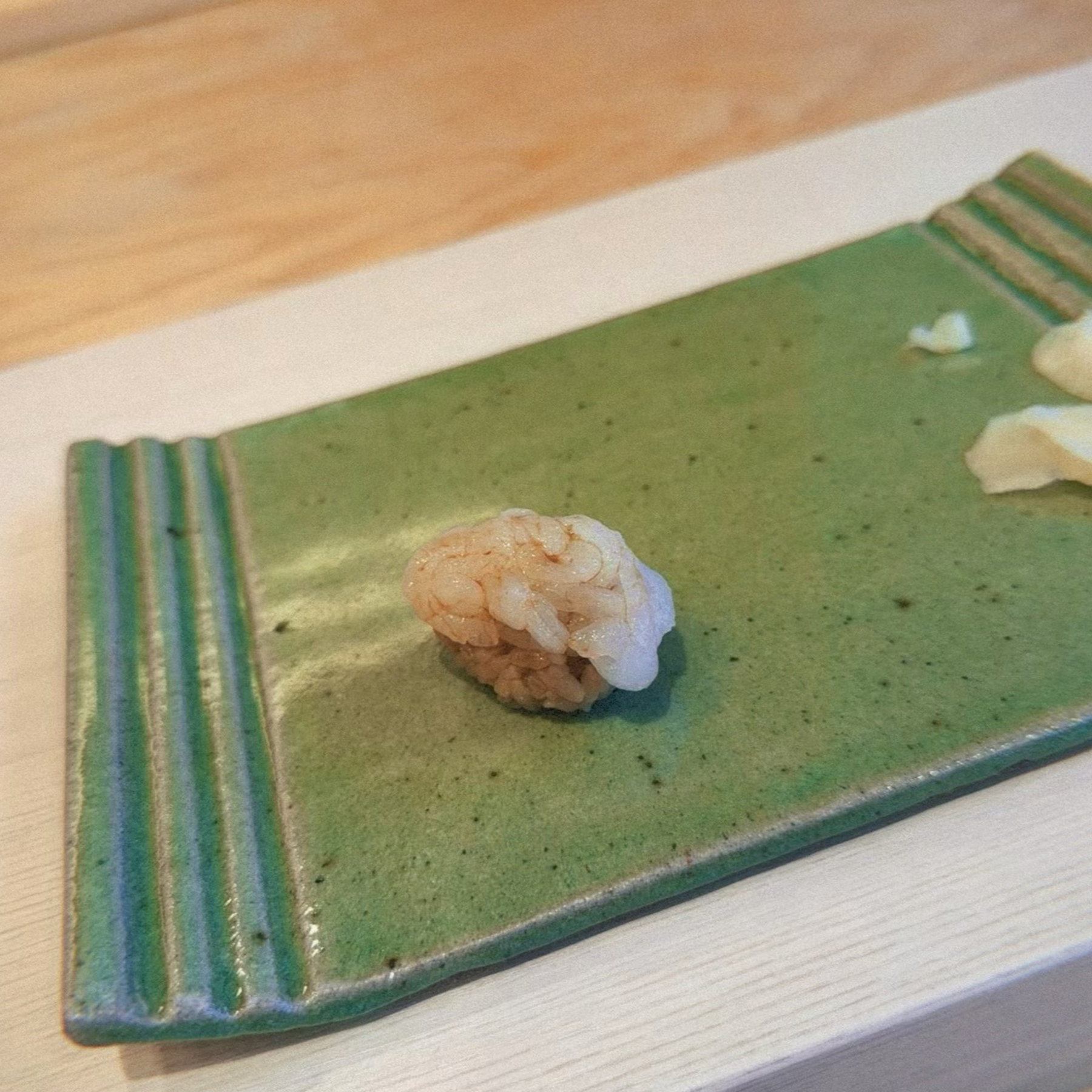
Shima Aji, known as the striped jack, is in the white fish family. It has a very buttery texture, while the fish itself is silky and tender.
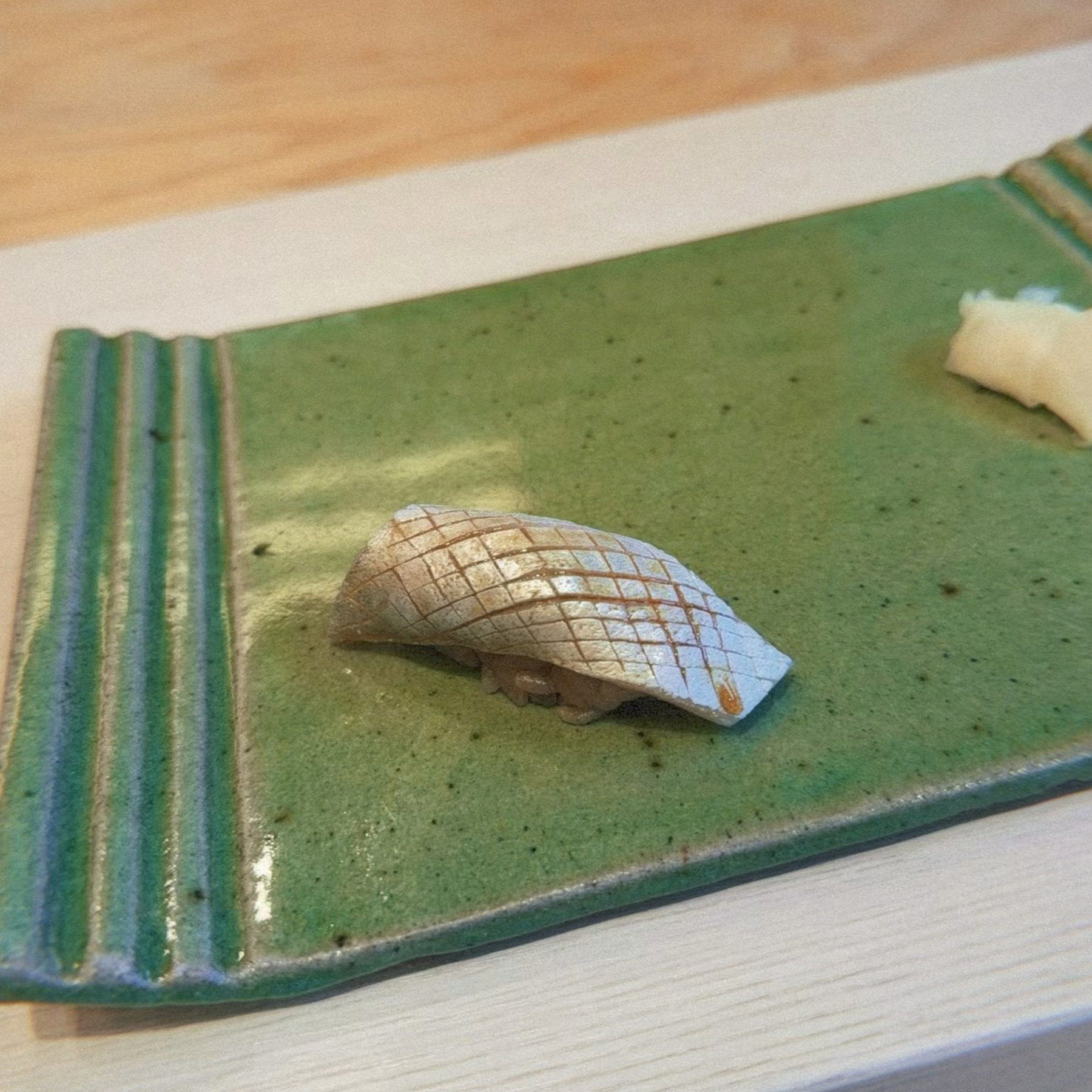
Sanma, apparently not in the mackerel family, has a taste similar to mackerel but is much sweeter and lacks the metallic or odd taste. However, Sanma is part of the Hikarimono (silver-skinned fish). I was surprised by this nigiri because it was very pleasant- I would definitely enjoy it again!
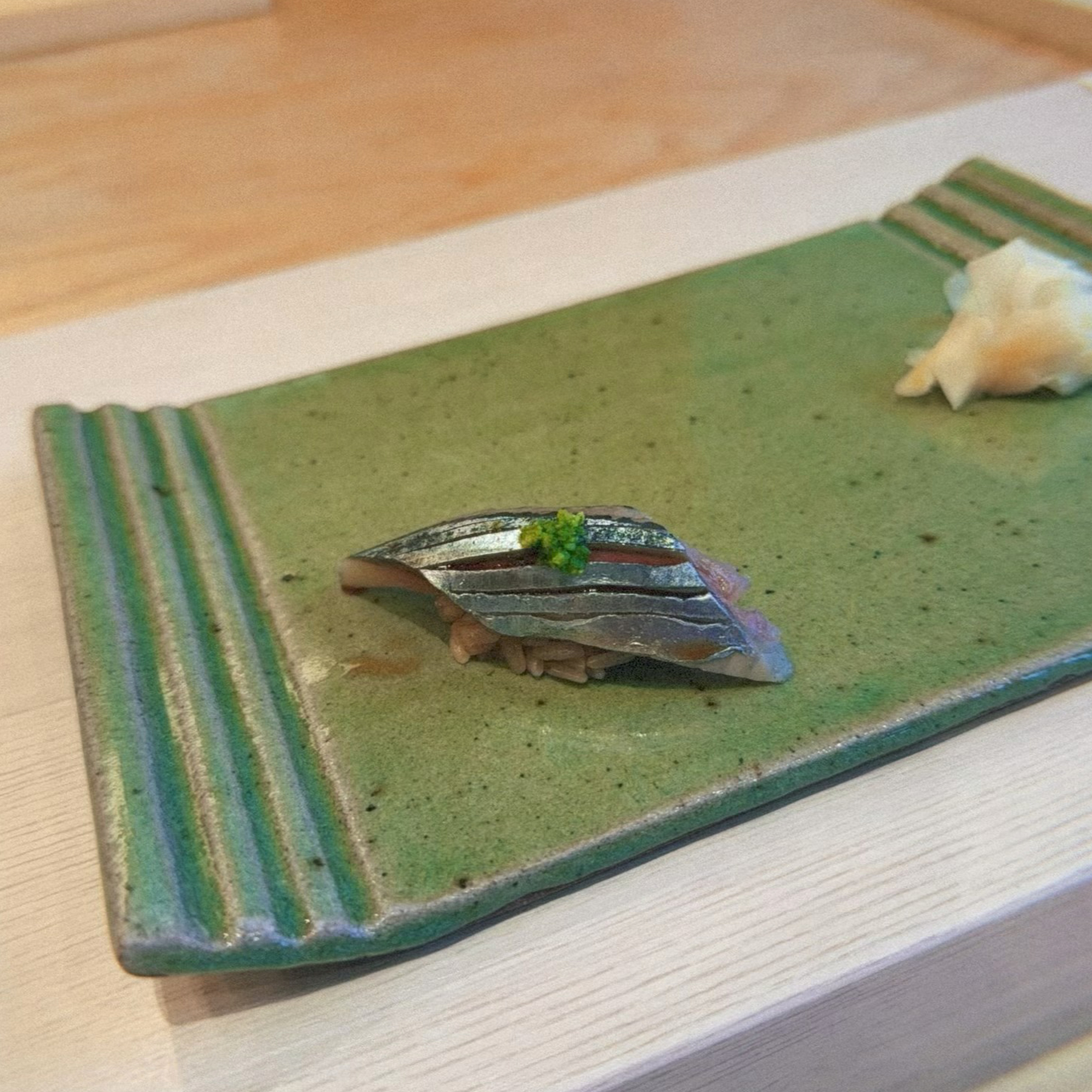
Ankimo was next, served in a bowl. Known as monkfish liver, it may take first-timers a few tries before acquiring a taste for it. Ankimo is typically steamed and may have a taste and texture profile similar to a cat’s wet pate. But you know what? I love ankimo and would order it whenever I can.
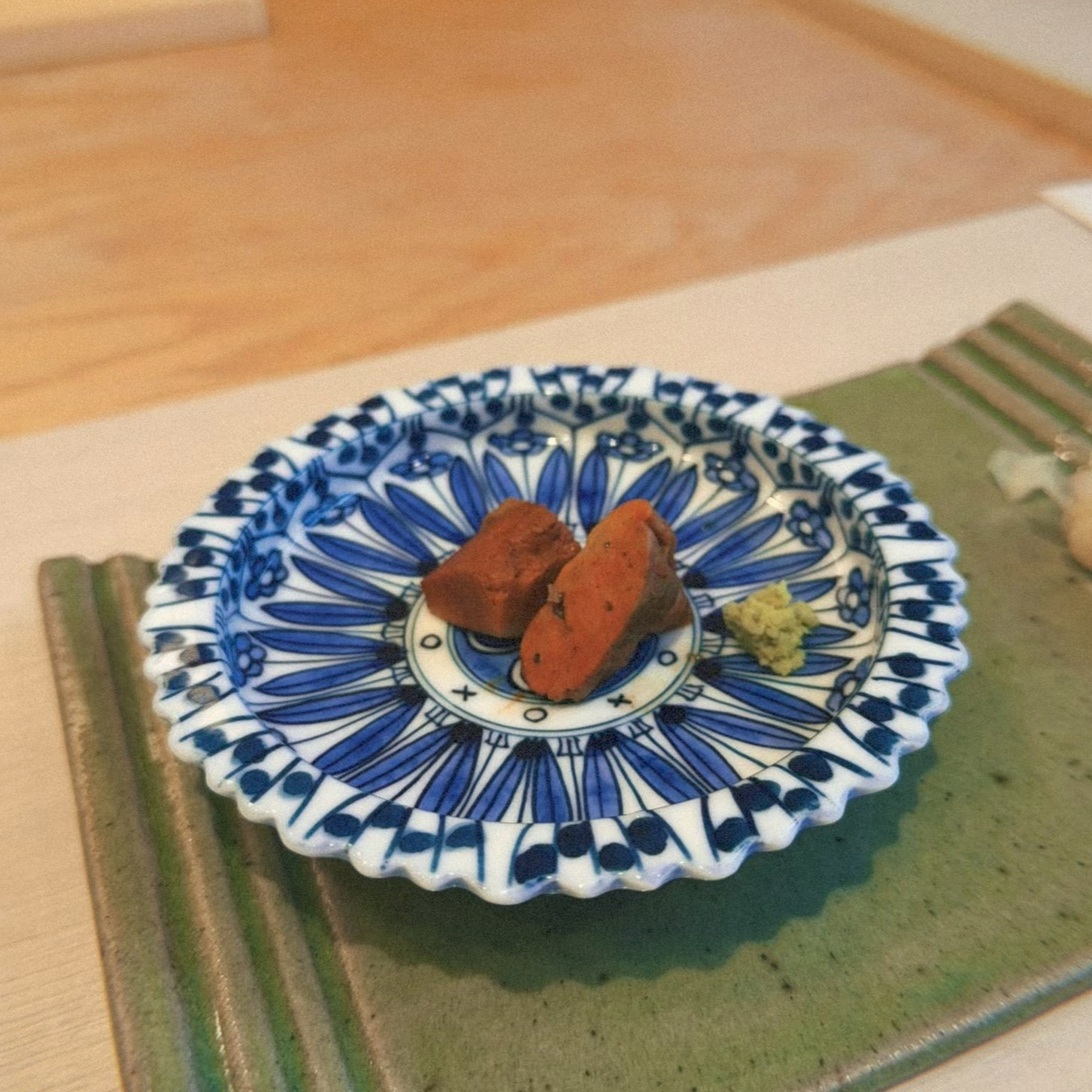
Kanpachi, the amberjack fish, is also a great indicator of how legit a sushi restaurant is. This fish looks similar to yellowtail, but I’d say the kanpachi has a firmer texture (crunchier?). Taste-wise, it is sweeter.
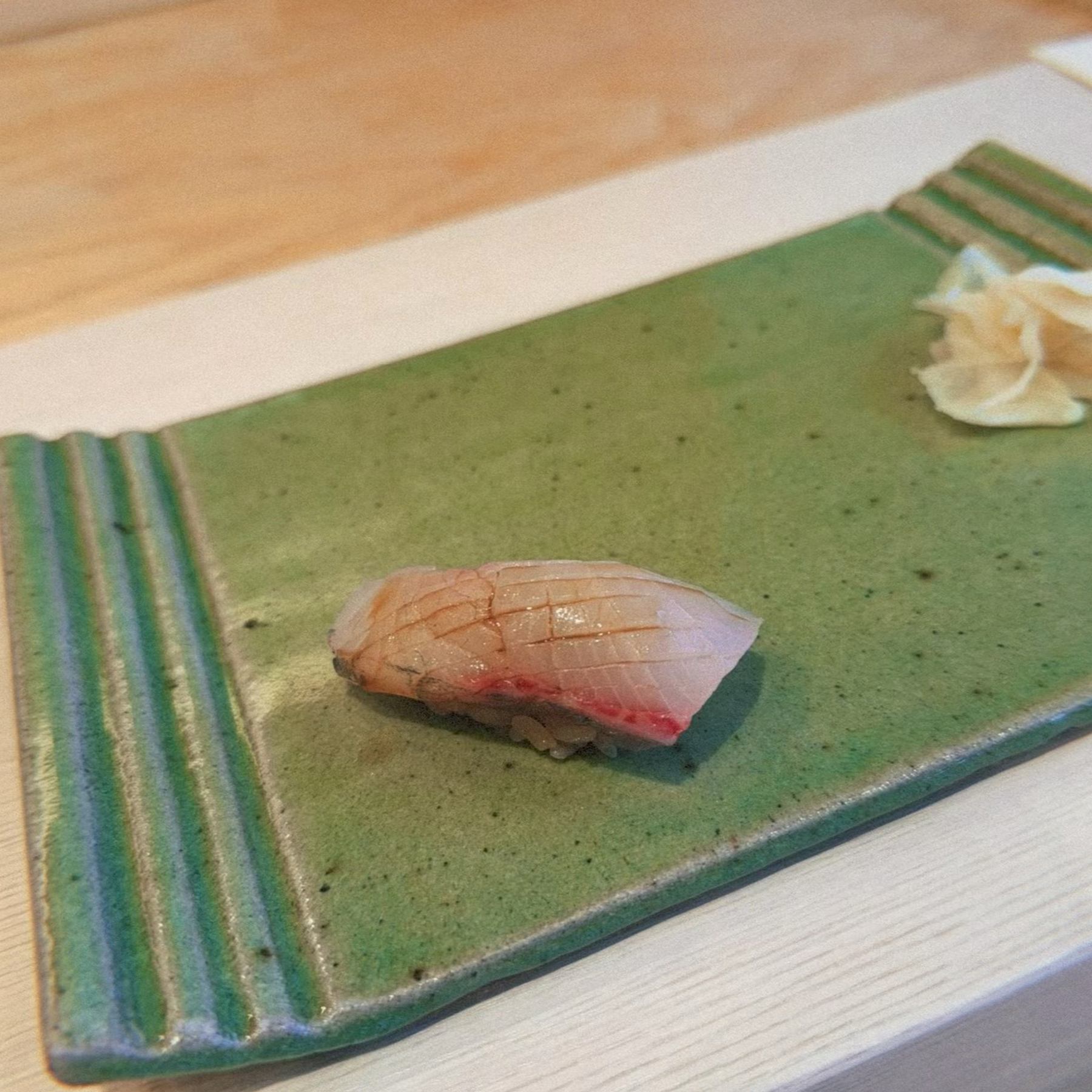
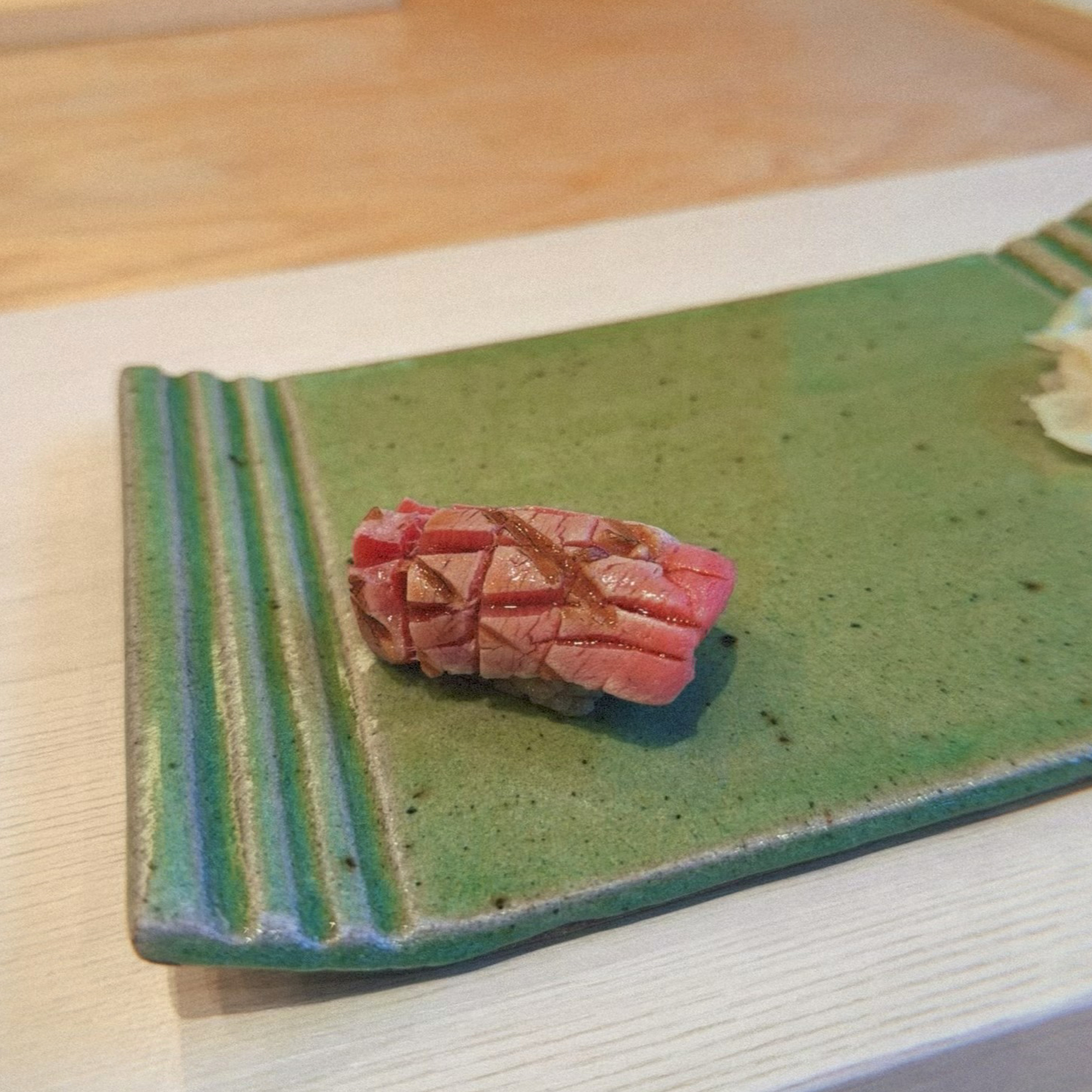
Dry-Aged Bluefin Chutoro was an absolute banger, with the fish being charred. The texture was SO buttery soft, with the slight char adding a smoky profile to the overall nigiri. 10 out of 10.
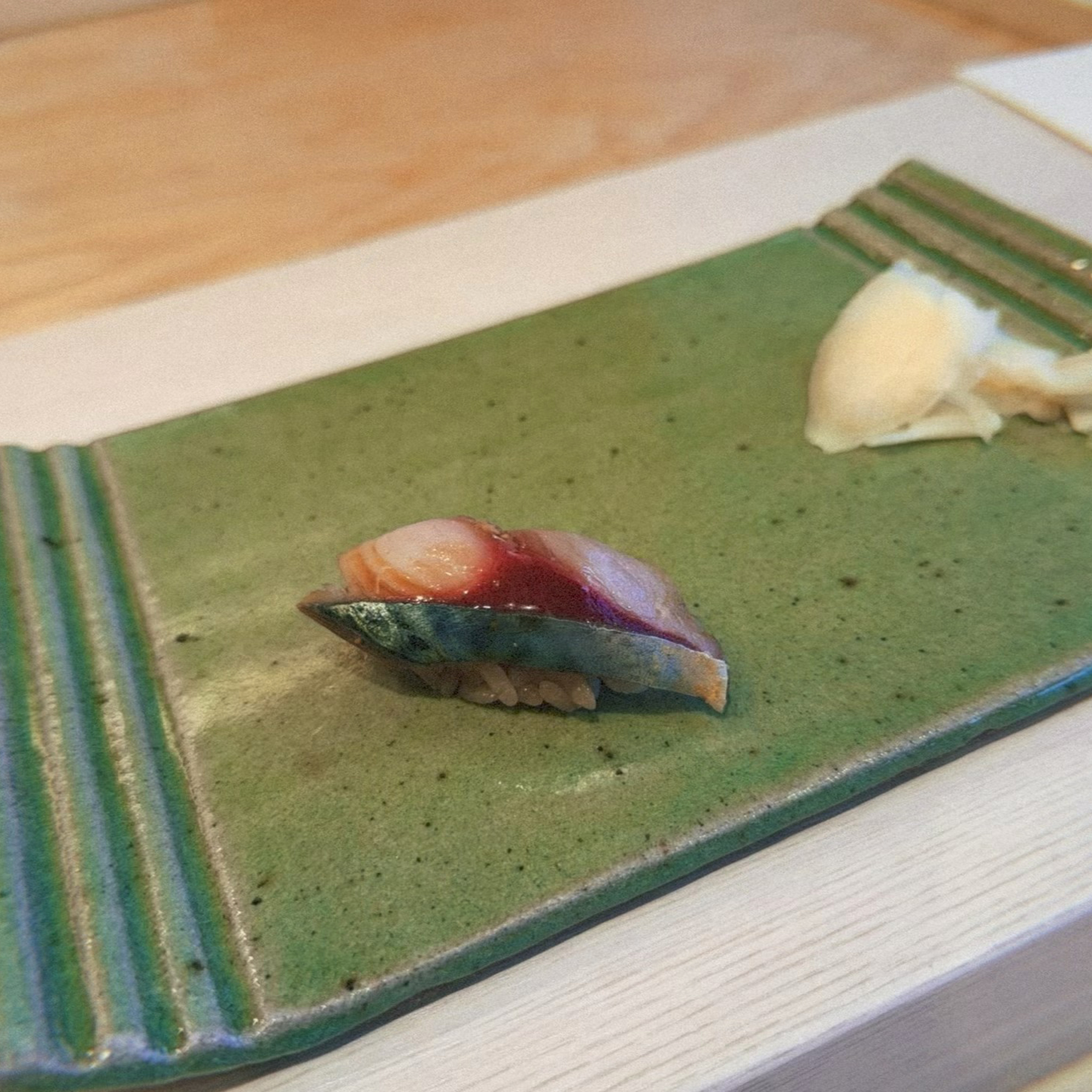
Saba is the actual mackerel dish. Mackerel is hard to eat because it has a strong taste – it’s typically the first thing I eat in a set, just to get it over with. However, Kogane got it down. This was served raw and had no odd smell or taste. It was pleasant and actually looked high-quality.
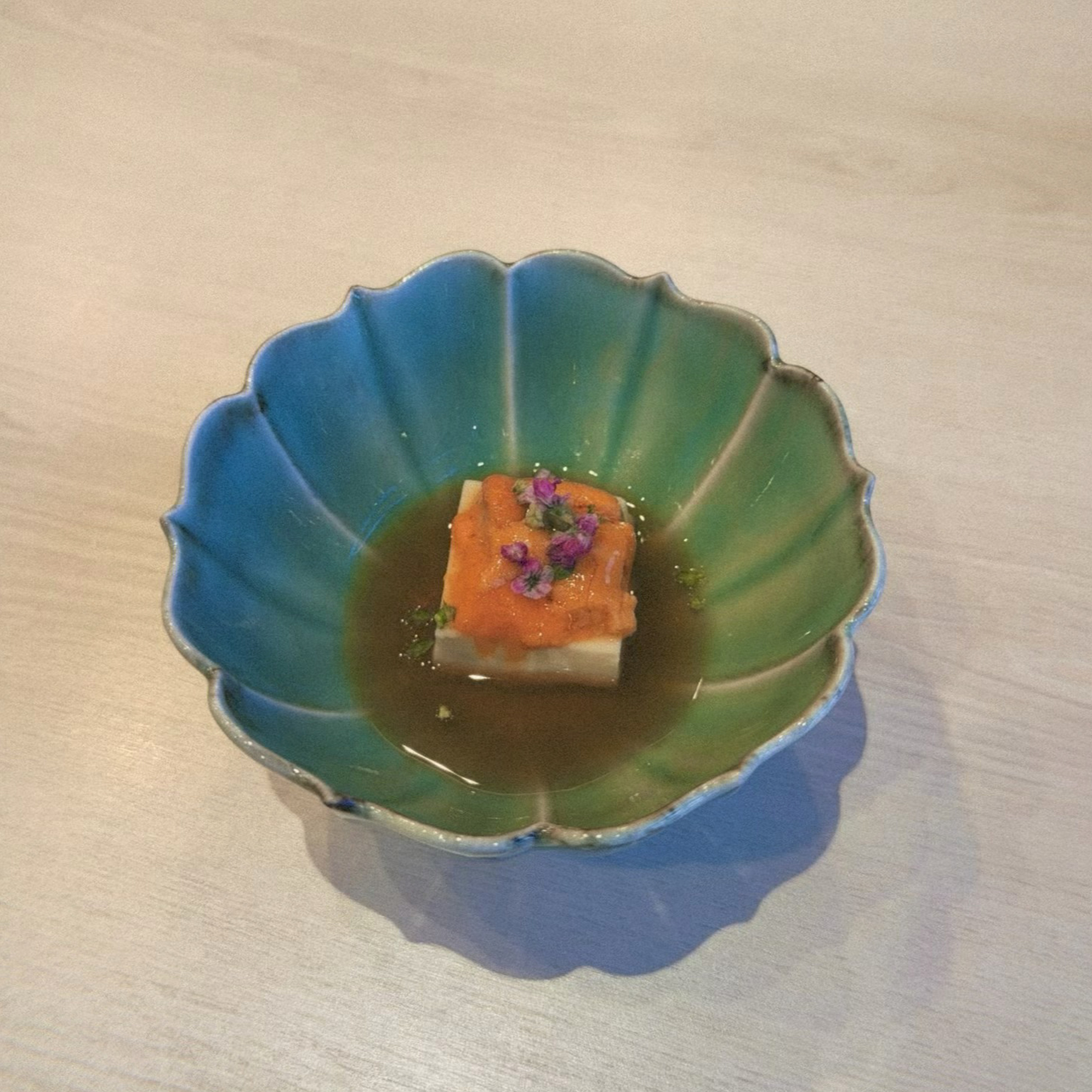
Goma Tofu with Hokkaido Bafun Uni is what Kogane is known for – their signature dish. The sesame tofu was made in-house earlier that day and served with some sauce and Japanese sea urchin on top. This dish gives a sweet, creamy, and savory kick in every bite. OH, and the floral decor garnish was such a chef’s kiss. How pretty is this dish? I’d tell you that it tastes amazing too.
Hokkigai, also known as surf clam, was served. I was a bit confused because I am used to surf clam being red. So I learned that hokkigai is naturally brown or dark before it is cooked. The red comes in after it’s fully cooked. This surf clam, however, was so fresh that we got to enjoy it slightly cooked. The texture is completely different from that of a typical surf clam (crunchy and chewy), and this one is soft and buttery.
This is the reason why I love trying out new things. The more I know!
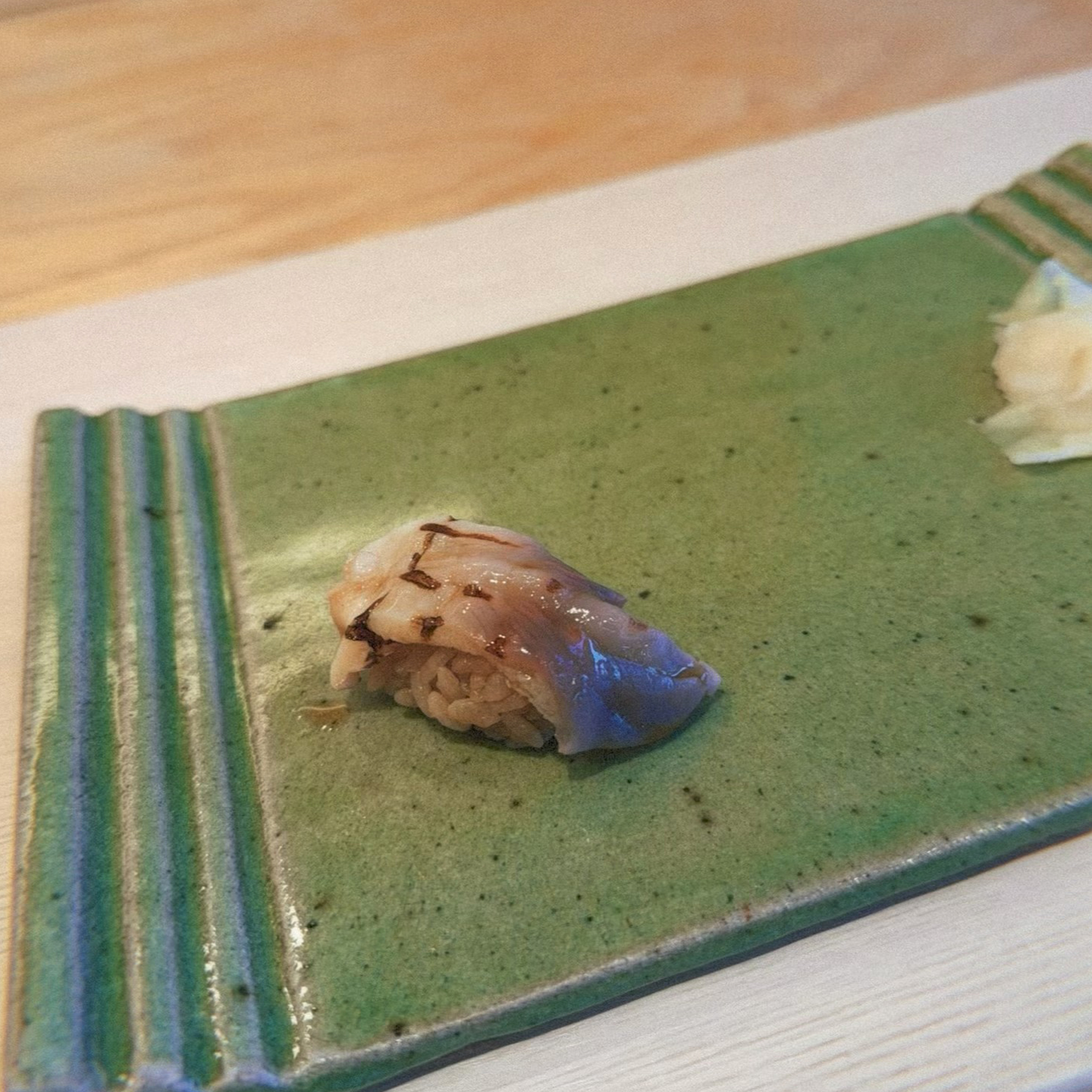
Katsuo is the skipjack tuna. It has a rich, vibrant taste. Surprisingly, the skipjack tuna is NOT in the tuna family, but rather in the mackerel family. That explains the strong coloring and savory taste.
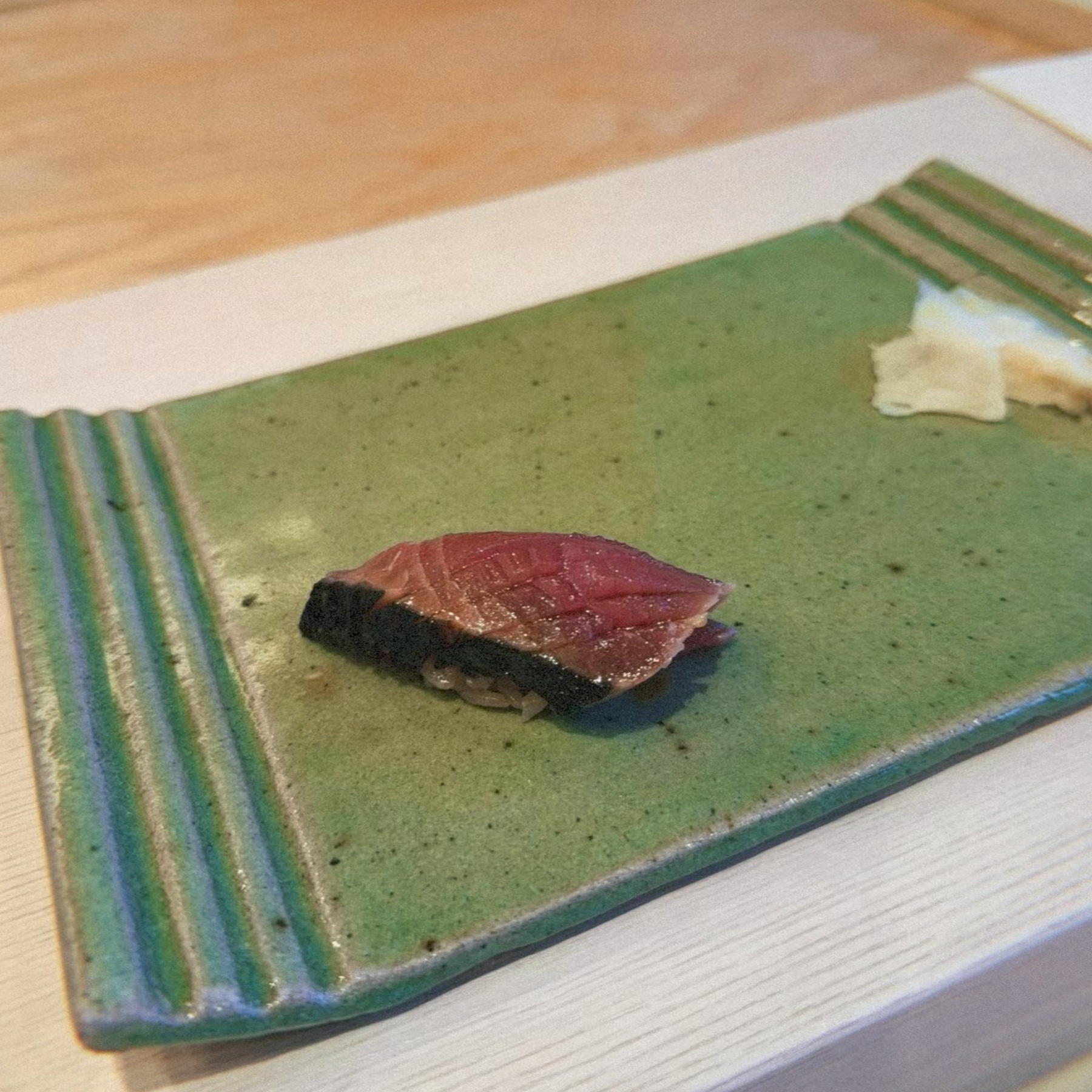
Negitoro Temaki is the fatty tuna hand roll. I love the modern handrolls that are cylinders with a bottom cover, rather than cones, because you get the perfect ratio of fish and rice without having to figure things out, only to end up with the last couple of bites being rice. Hurray for common sense!
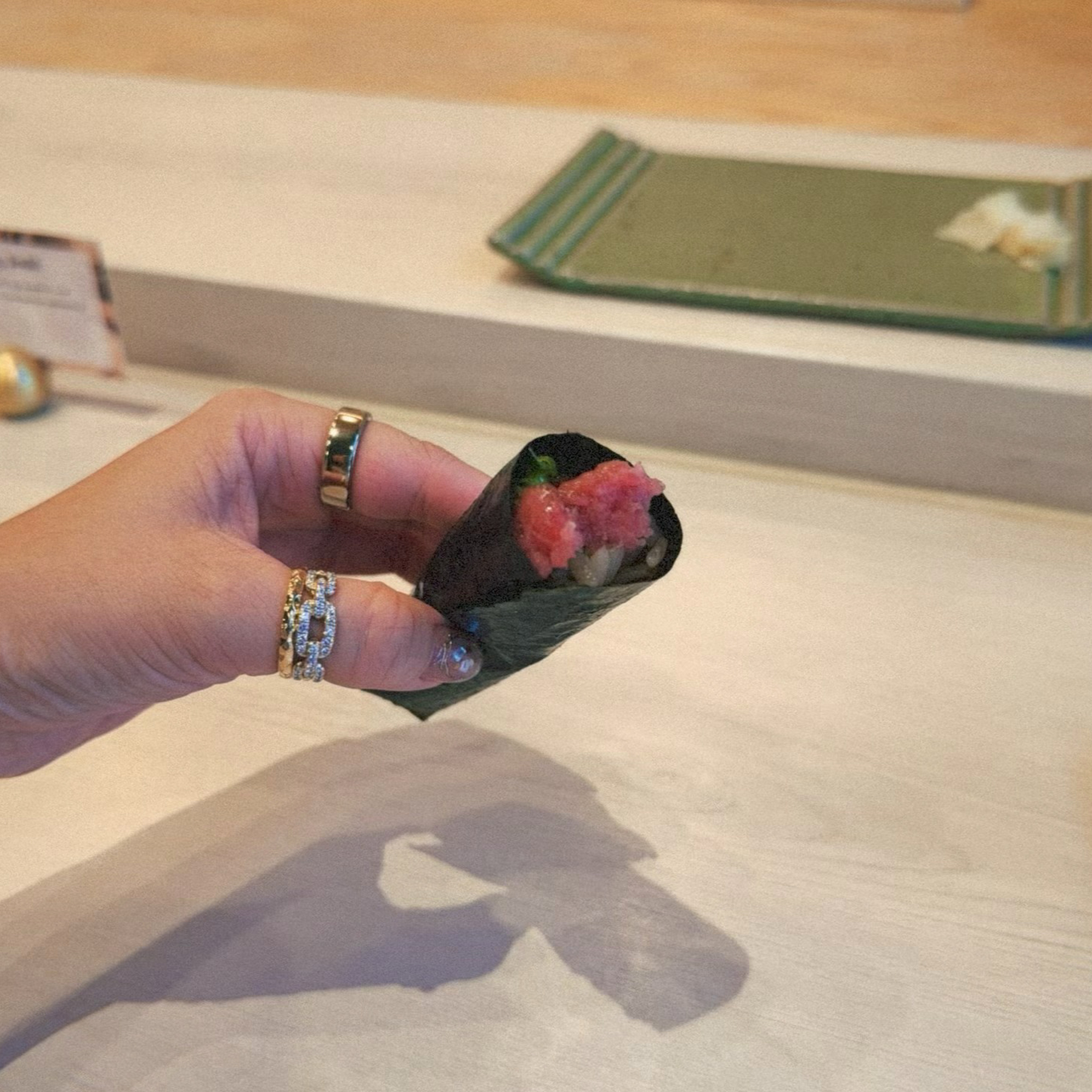
Miso Soup was served towards the end, which I am used to being at the beginning. This is a great segue to the end of the meal. The miso soup at this restaurant is different because I am used to restaurants just using soybean paste. The chefs here actually submerged fish bones into the soup base, and yes, you can taste and smell it.
Anago, known as eel, was then served. The anago here is a bit different, with a flaky texture.
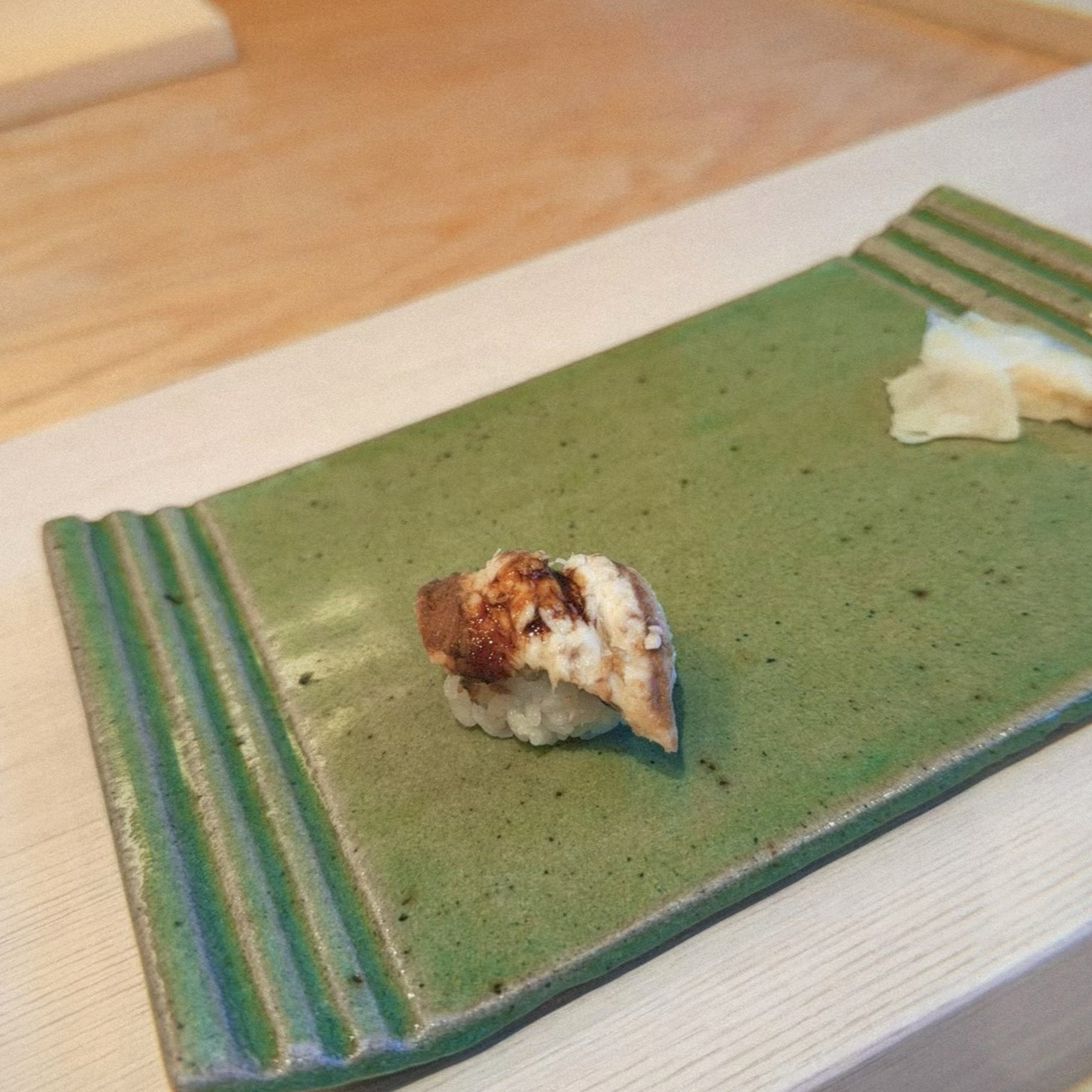
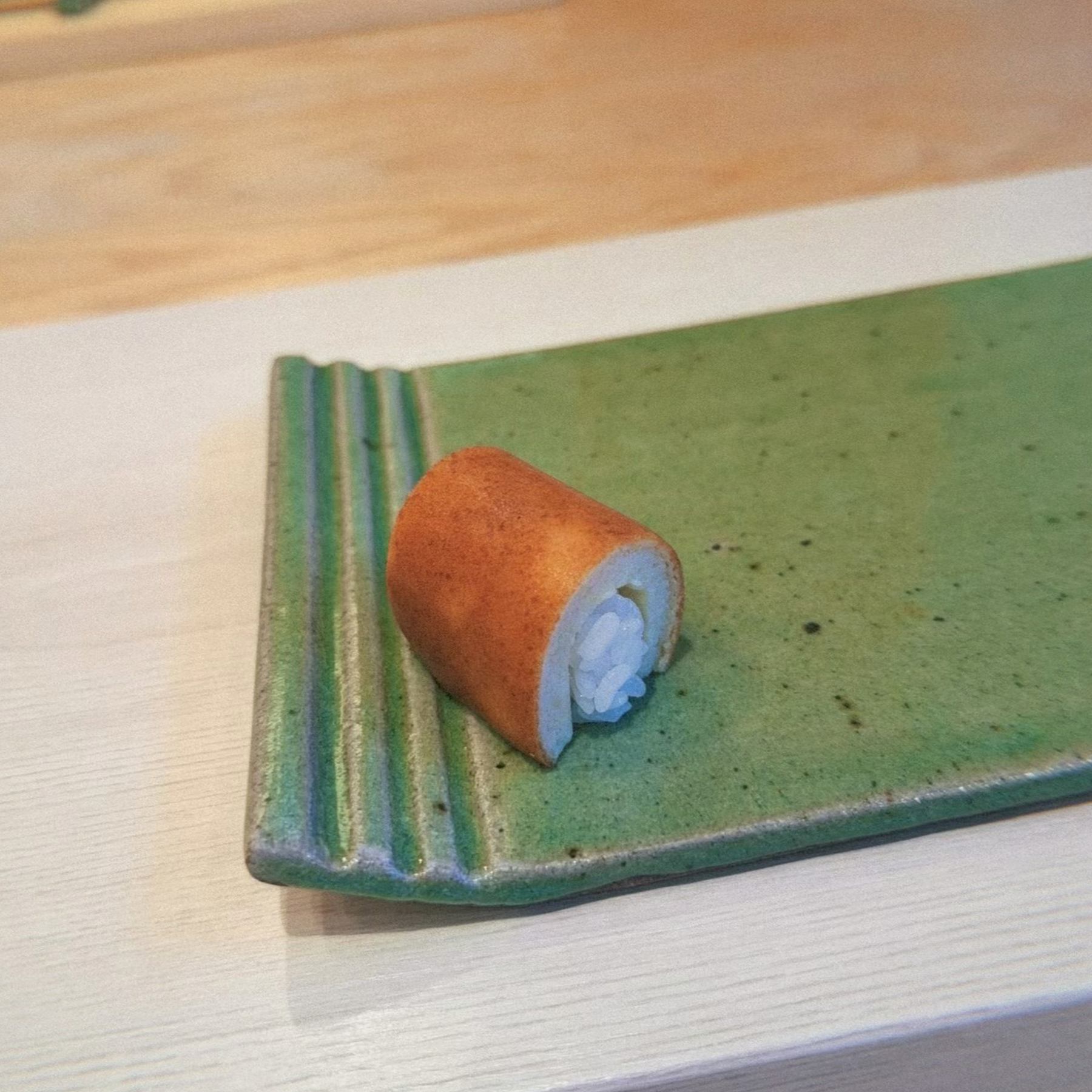
Tamago is the perfect way to end a sushi course. This is 200% the last thing you need to eat in a sushi set. Tamago is typically yellow, but the legit ones have a nice brown crust on top. This has a very spongy texture and has different shellfish in the ingredient set too. Honestly, it reminded me of Uncle Tetsu for some reason.
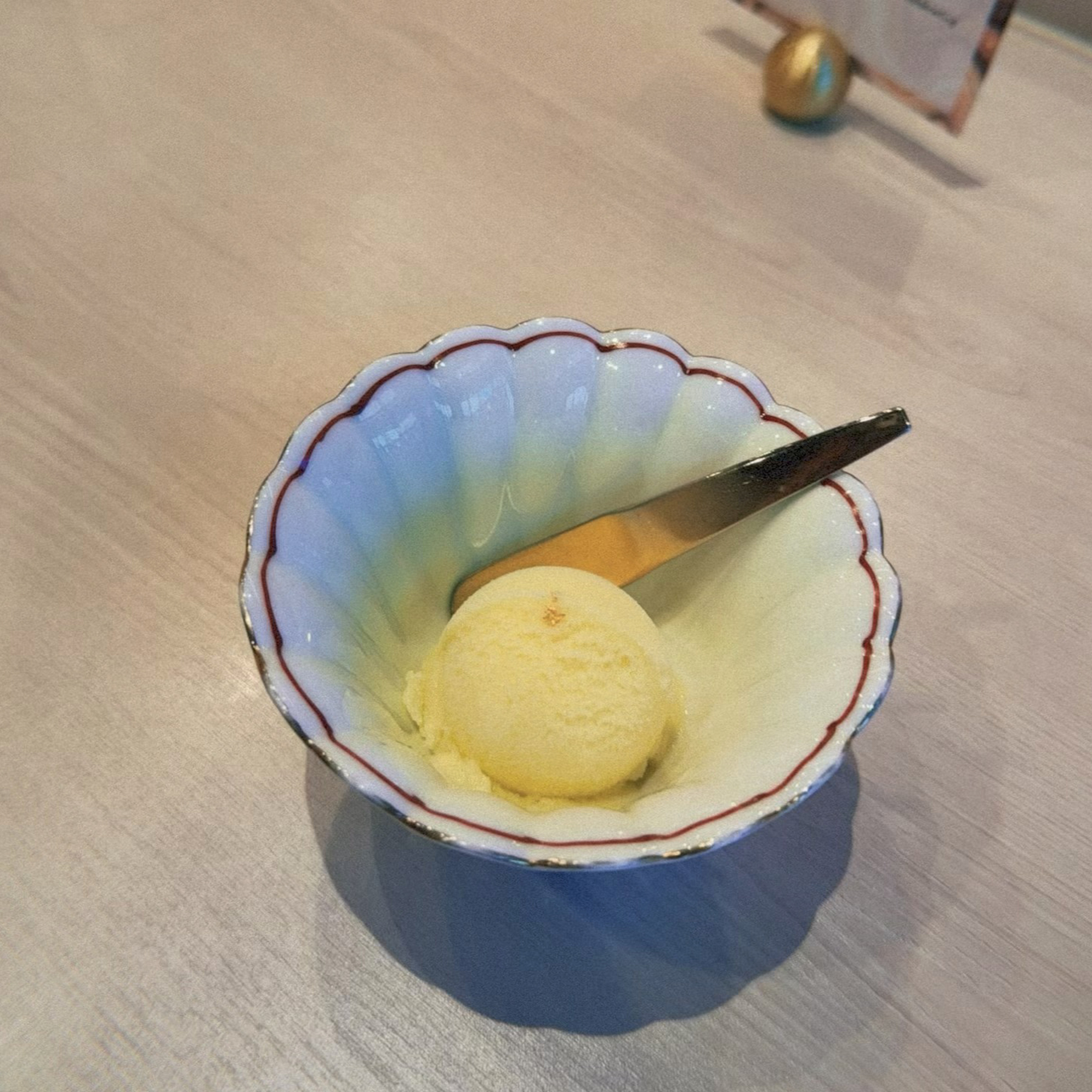
Lemon Yuzu Sorbet was the final dessert. I absolutely loved how the staff put on a whole presentation, cutting out the lights and lighting a candle for the birthday sing-out! I am usually not a fan of sorbets, but this was actually great!! Topped with some gold flakes. How many visits would it take to make a bracelet out of it?
Looking for more sushi blog posts?